SHAPING THE FUTURE OF SEPARATION SCIENCE 〉〉 TÓRSHAVN 2027
A small, discussion-driven symposium bringing together leading and emerging researchers, industrial practitioners, and PhD course participants in the concentrated setting of the Faroe Islands.
What Makes This Meeting Different
Rather than reproducing a conventional massive conference, the symposium deliberately makes room for unpublished results, failed approaches, practical bottlenecks, and unresolved questions.
1. Gordon-Style Format
Strictly capped at 140 participants (including sponsors, organisers, and invited speakers). One room, no parallel sessions.
- 50% talks + structured discussion
- 50% posters, 5–8 min flash talks & working sessions
- Posters remain displayed throughout the entire meeting
- No recording of unpublished data without permission
2. Science & Bottlenecks
The central question is simple: why are advanced multidimensional separations still not routine in many laboratories?
- GC×GC • LC×LC • SFC • CE • IMS • HRMS
- Focus on modulation, solvent mismatch, sensitivity & transfer
- Quantitative routine analysis, uncertainty & validation
- Applications drive the questions
3. Integrated Community
Leading researchers, industrial users, instrument developers, and PhD students work and interact in one close-knit community.
- Integrated with Nordic PhD course in multidimensional chromatography
- Travel option together via Smyril Line ferry from Denmark
- Direct mentoring and discussion with invited speakers
- Active session chairs preparing targeted questions in advance
Welcome to Tórshavn
The 4th Nordic Symposium on Multidimensional Chromatography is a small, discussion-driven meeting for scientists working with advanced multidimensional separation and complex-sample analysis.
Chromatography remains central, but the symposium explicitly brings in complementary separation and analytical dimensions such as capillary electrophoresis (CE), ion mobility spectrometry (IMS), and high-resolution mass spectrometry (HRMS) whenever the underlying analytical problem is shared.
The Faroe Islands are an integral part of the concept: an isolated, concentrated Nordic setting where the entire group stays together and scientific discussions naturally continue well beyond the lecture room.
Assoc. Prof. Sigurd Christiansen University of the Faroe Islands (Local Host)

Photo: "Torshavn Tinganes and the Ferry Port" by Eileen Sandá, CC BY-SA 3.0
Six Focused Scientific Themes
The symposium is organised around analytical bottlenecks, method development, and real-world applications rather than technique labels alone.
Peak capacity is not enough: what does multidimensional chromatography need to prove?
Modulation, orthogonality, solvent mismatch, speed, sensitivity, practical method development, and method transfer across laboratories.
What does multidimensional chromatography add when HRMS is already powerful?
Identification, isomer resolution, dynamic range, matrix handling, interpretability, and the cases where a second chromatographic dimension fundamentally changes the analytical answer.
Can multidimensional chromatography become quantitative routine analysis?
Calibration, response factors, internal standards, matrix effects, measurement uncertainty, validation, quantitative non-target screening (qNTS), and inter-laboratory reproducibility.
Data: bottleneck or opportunity? Chemometrics & AI
Peak detection, alignment, deconvolution, tile and pixel workflows, chemometrics, machine learning, automated method development, open datasets, and shared benchmarks.
Applications that need more separation
Environmental analysis & exposomics, food, flavours & natural products, metabolomics/lipidomics, proteins & biopharmaceuticals, polymers & industrial mixtures, bio-oils, fuels, PFAS, and polar ionic species.
Instruments and software for the next decade
What should the next generation of multidimensional chromatographs and software actually solve if routine adoption—not peak capacity alone—is the goal?
Keynote Speakers
World-leading academic and research scientists, complemented by industry perspective lectures and advisory contributions.

Prof. Caroline West
Focus: Supercritical fluid chromatography (SFC) and multidimensional SFC; establishing SFC-based multidimensional separation as a genuine, routine part of complex-sample analysis.
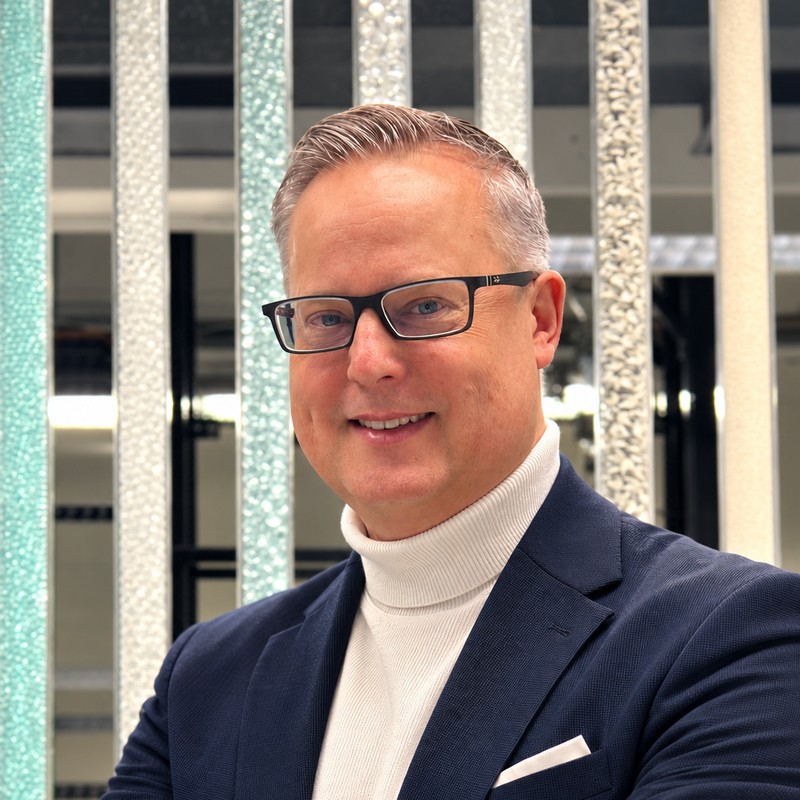
Prof. Sebastiaan Eeltink
Focus: Advanced LC technology, microfluidic spatial 3D-LC devices, spatial multidimensional separation, and next-generation column formats.
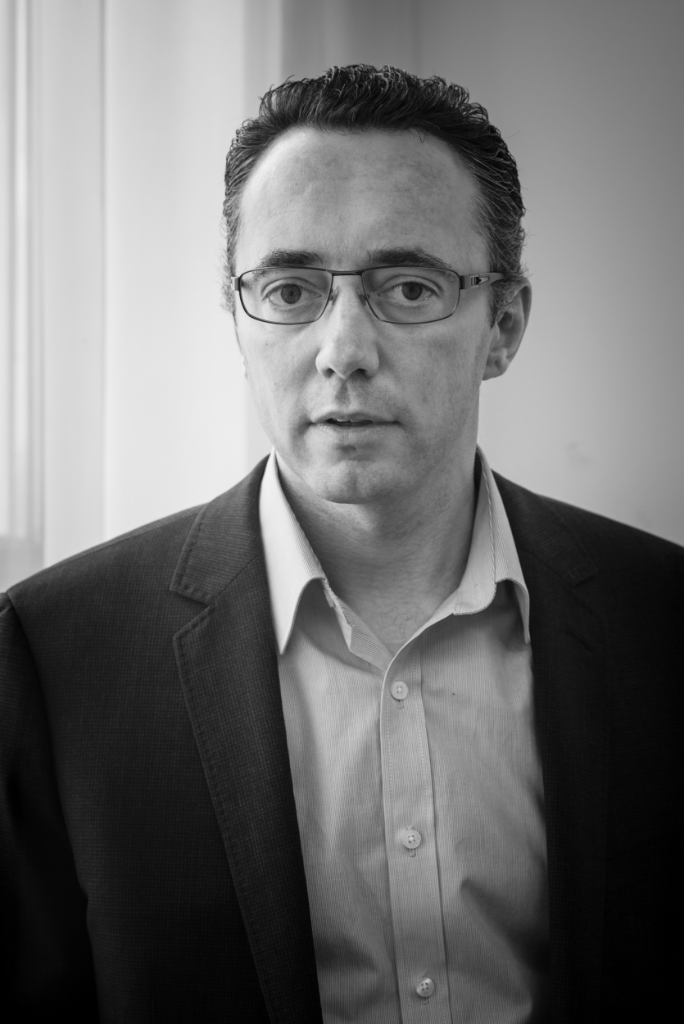
Prof. Frederic Lynen
Focus: LC×LC and LC method development, including chiral, temperature-responsive, and alternative-selectivity separations for highly demanding complex samples.
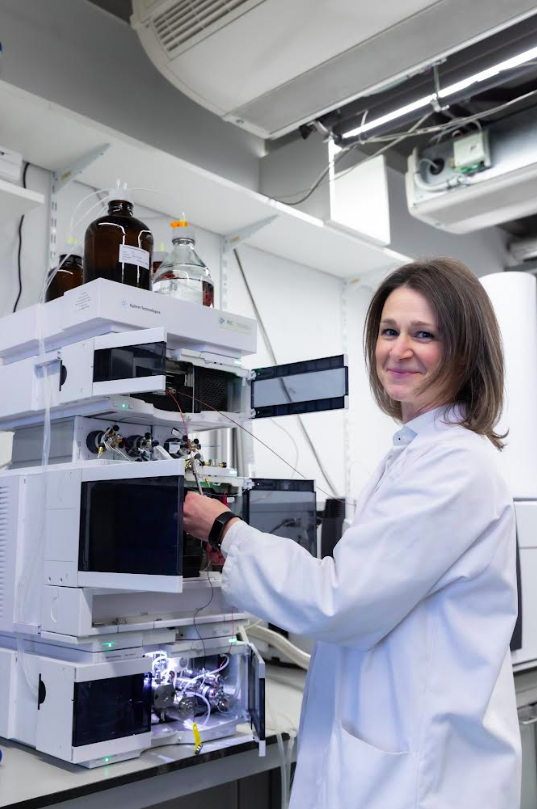
Prof. Deirdre Cabooter
Focus: Multidimensional LC, separation fundamentals and mass transfer, automated method optimization, and pharmaceutical/environmental applications.
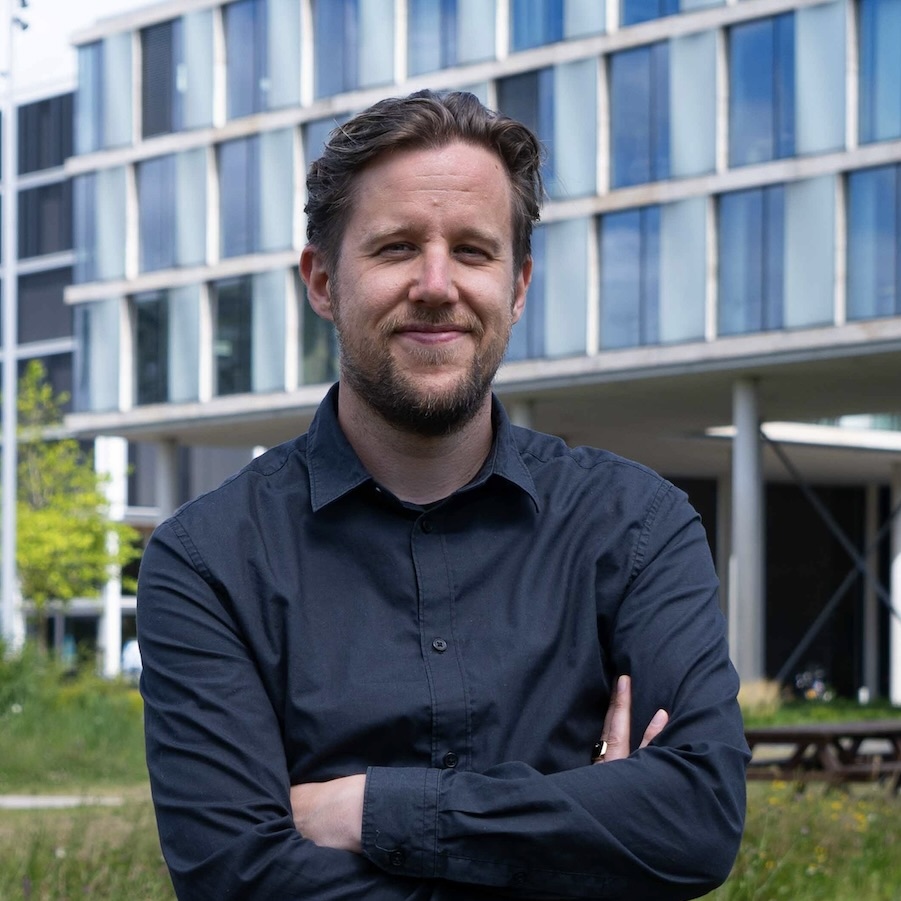
Dr. Bob Pirok
Focus: Comprehensive LC×LC, chemometrics, automated algorithmic method development, retention modeling, and data analysis in polymer and biomolecular science.
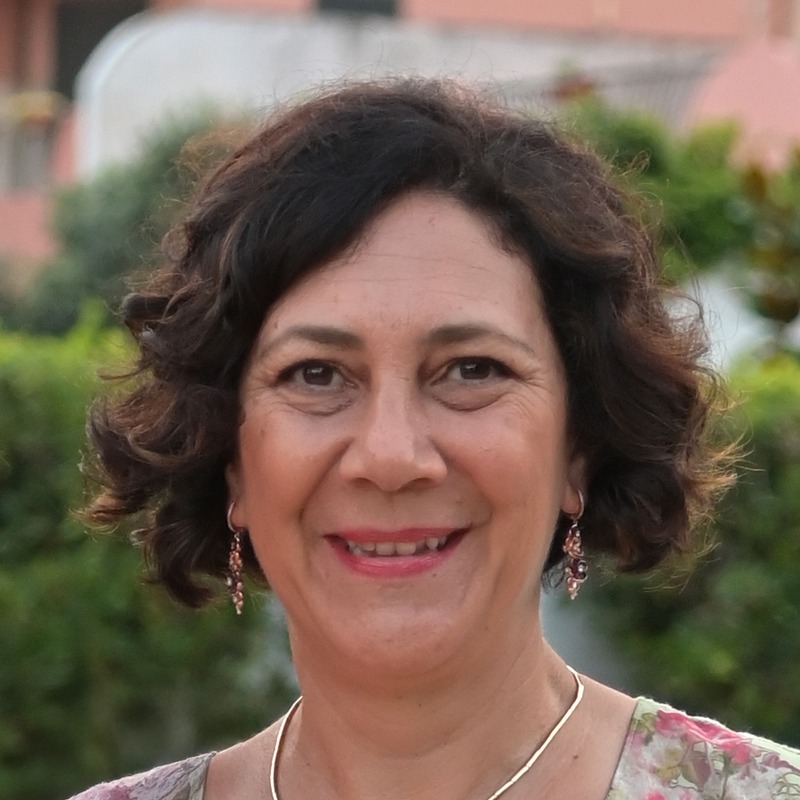
Prof. Paola Dugo
Focus: Comprehensive two-dimensional gas chromatography (GC×GC) and LC-GC coupled platforms applied to complex foods, natural products, and essential oils.
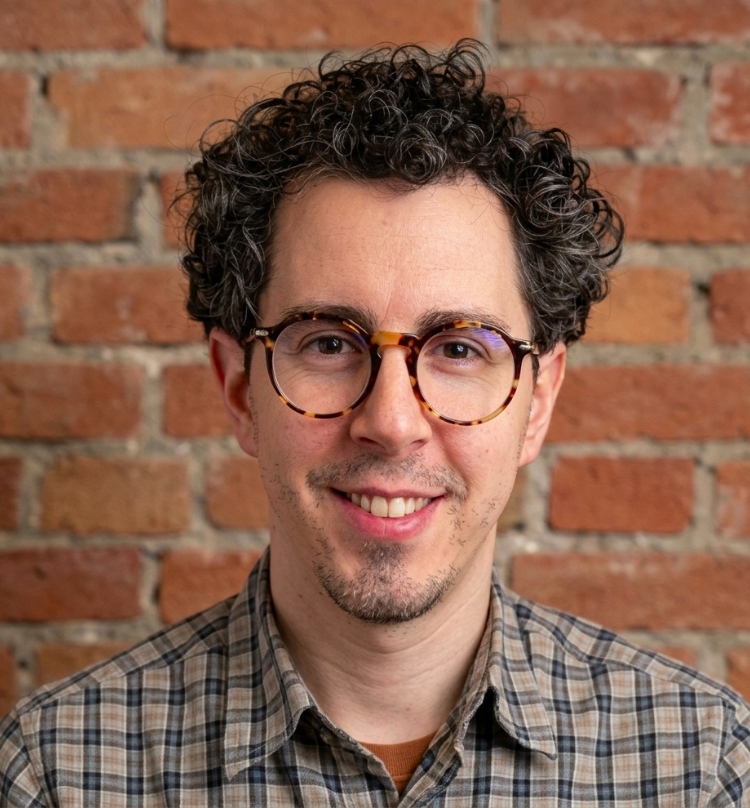
Prof. Flavio Antonio Franchina
Focus: GC×GC-MS, advanced high-resolution mass spectrometry coupling, thermal modulation, and application-driven analysis of volatile and semi-volatile mixtures.
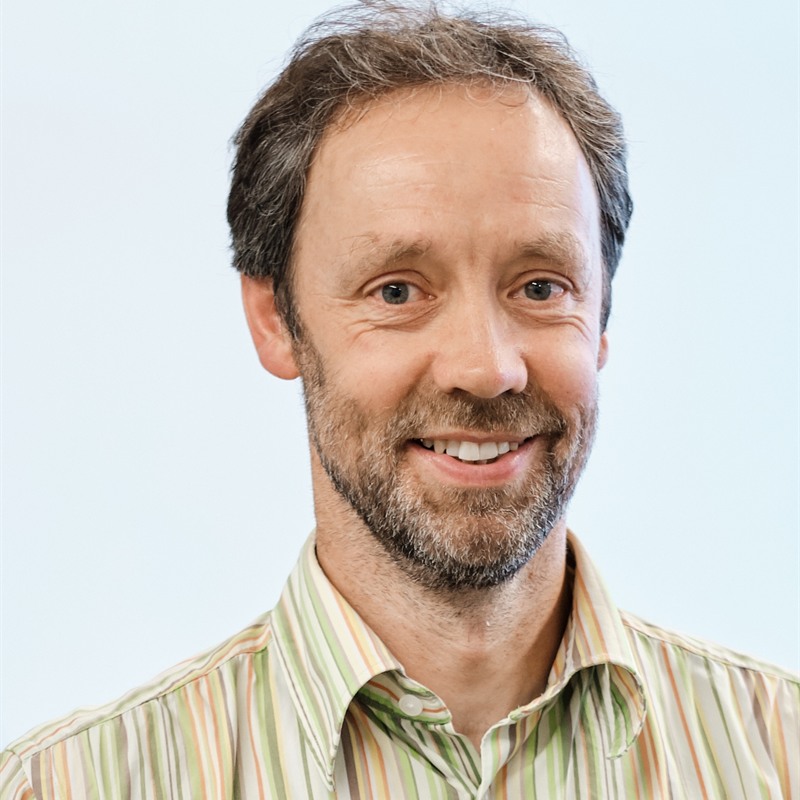
Prof. Christian Neusüß
Focus: Capillary Electrophoresis coupled to MS (CE-MS) and CE-LIF; biomolecular and pharmaceutical characterisation, and the role of CE as an orthogonal dimension to chromatography.
Industry Perspective
Industrial practitioners and Scientific Committee advisers ensuring that instrumentation, software, and routine laboratory constraints remain central to the scientific discussions.
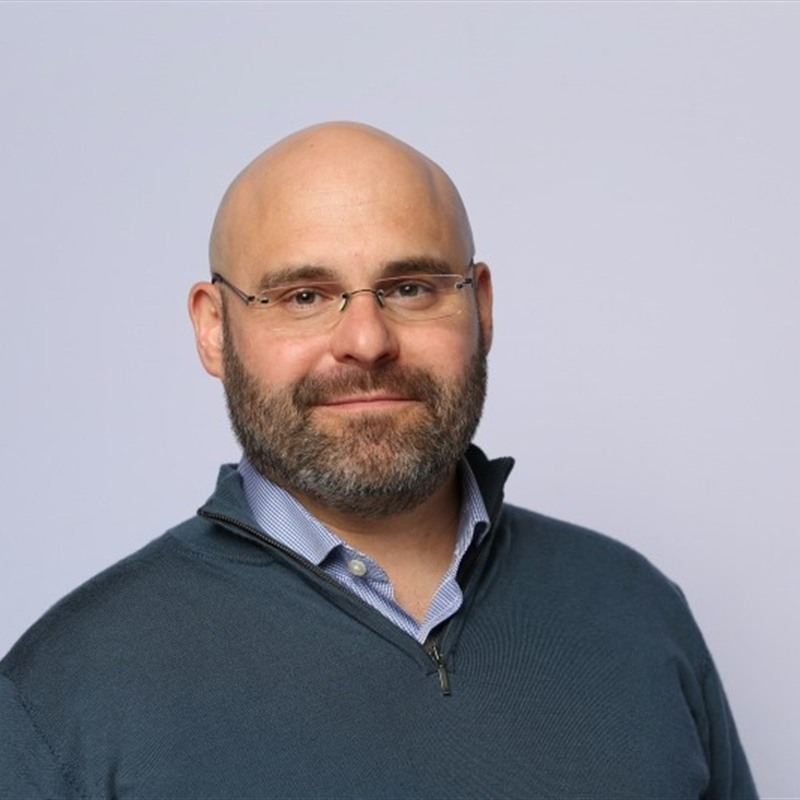
Dr. Pierre Giusti
Focus: Complex industrial mixtures, heavy fuels, petroleomics, GC×GC/MS, ion mobility spectrometry, and the strict operational requirements for real-world industrial implementation.
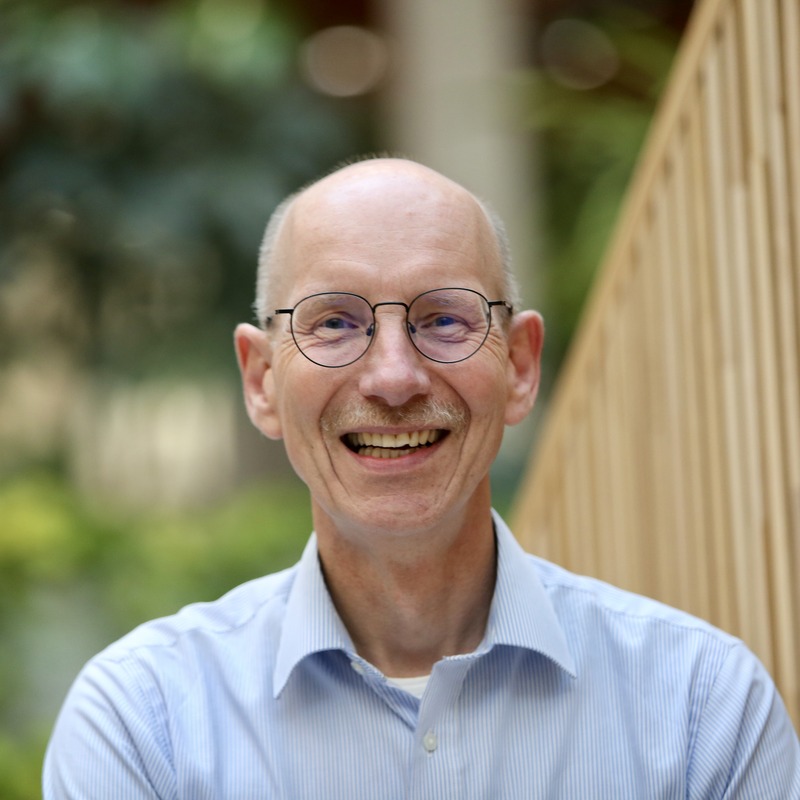
Prof. Hans-Gerd Janssen
Focus: Multidimensional separation science in consumer goods, GC×GC routine adoption, sample prep integration, and overcoming practical barriers in industrial QC.
Traditional Schooner Sailing Excursion
On Thursday afternoon, scientific presentations pause for a 3-hour sailing voyage aboard the traditional Faroese vessel Northern Lights through the fjords.
This distinctive social event preserves the informal Gordon-style conference spirit, allowing attendees to discuss analytical science while surrounded by dramatic North Atlantic landscapes, followed by an informal conference dinner.
Excursion & Social Details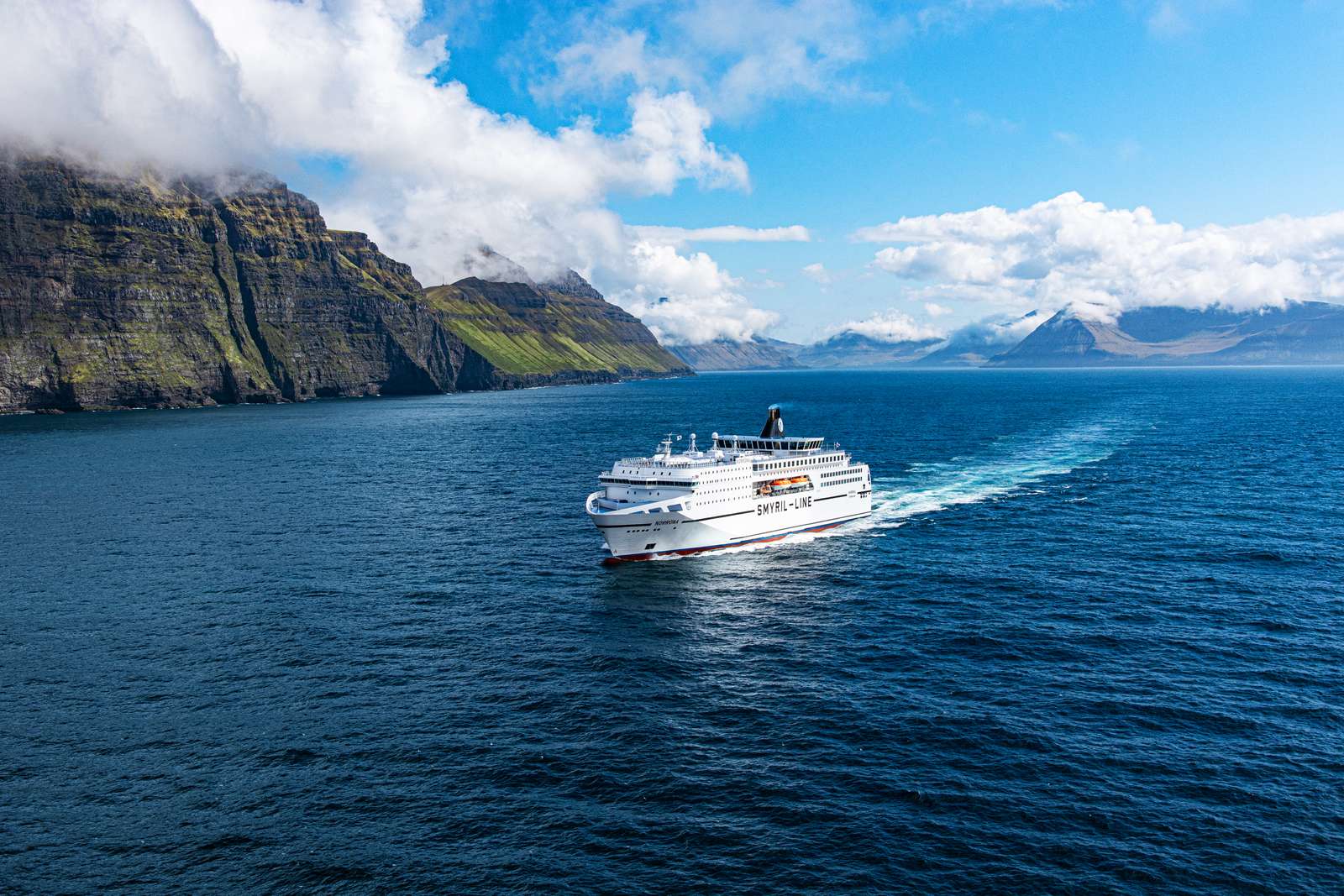
Integrated PhD Course & Shared Travel
The symposium forms the final, culminating part of the announced PhD course: Advanced Analytical Chemistry: Practical Multidimensional Chromatography.
The course begins with hands-on laboratory fundamentals in Copenhagen during the preceding week and continues in the Faroe Islands. PhD students are active contributors, presenting posters and 5–8 minute flash talks.
Course participants and general attendees can choose to travel together by the Smyril Line ferry departing from Hirtshals (Denmark) on Saturday, 21 August 2027, arriving in Tórshavn on Sunday evening.
Participant Contribution (€120 / DKK 900)
To keep this meeting focused and accessible, attendance is strictly capped at 140 participants. Regular participants contribute €120 toward all conference catering: lunches on all 3 scientific days, afternoon refreshments, and the Thursday conference dinner.
Official symposium events, including the sailing excursion and scientific sessions, are fully supported through our generous academic and industry sponsorship.